March 18, 2026
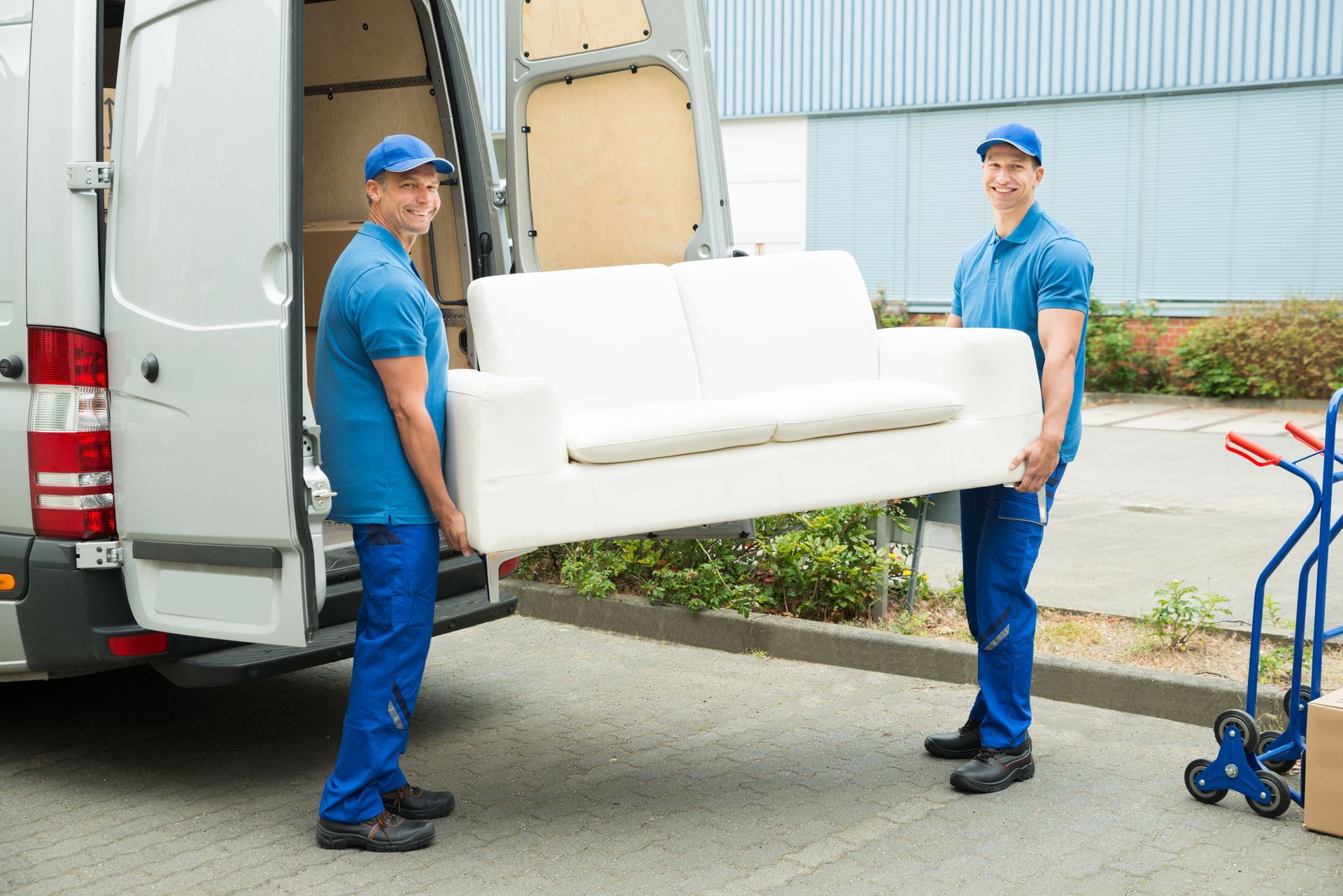
Efficient storage solutions are more important than ever, especially when coordinating a move with local movers. Whether you're downsizing, relocating, or simply decluttering your home, knowing how to prepare your items for storage effectively can save you time, money, and help maintain the condition of your possessions. Many people rely on local movers to transport their belongings to storage units safely. This guide walks through the essential steps to prepare your items for storage, from choosing the right packing materials to organizing your storage space.
Assessing Your Storage Needs
Before preparing items for storage, it's important to assess your specific storage needs. Begin by reviewing the items you currently own and determining which ones should be placed in storage. Consider belongings you may not often use but still want to keep due to sentimental or financial value. Many people sort these items while preparing for a move with local movers, which can make the process more organized from the start. Identifying categories of items that require different storage solutions will help you plan efficiently.
Estimating your space requirements is another essential consideration when preparing your items for storage. Take stock of everything you intend to store and measure larger items, such as furniture, to understand the space they will occupy. The remaining space should be allocated for smaller items, which can often be packed into stacking boxes or other containers. By accurately assessing your space needs, you prevent overcrowding in your storage area and maintain easy access to your items. This thoughtful evaluation is key to avoiding overspending on storage space.
Choosing the Right Packing Materials
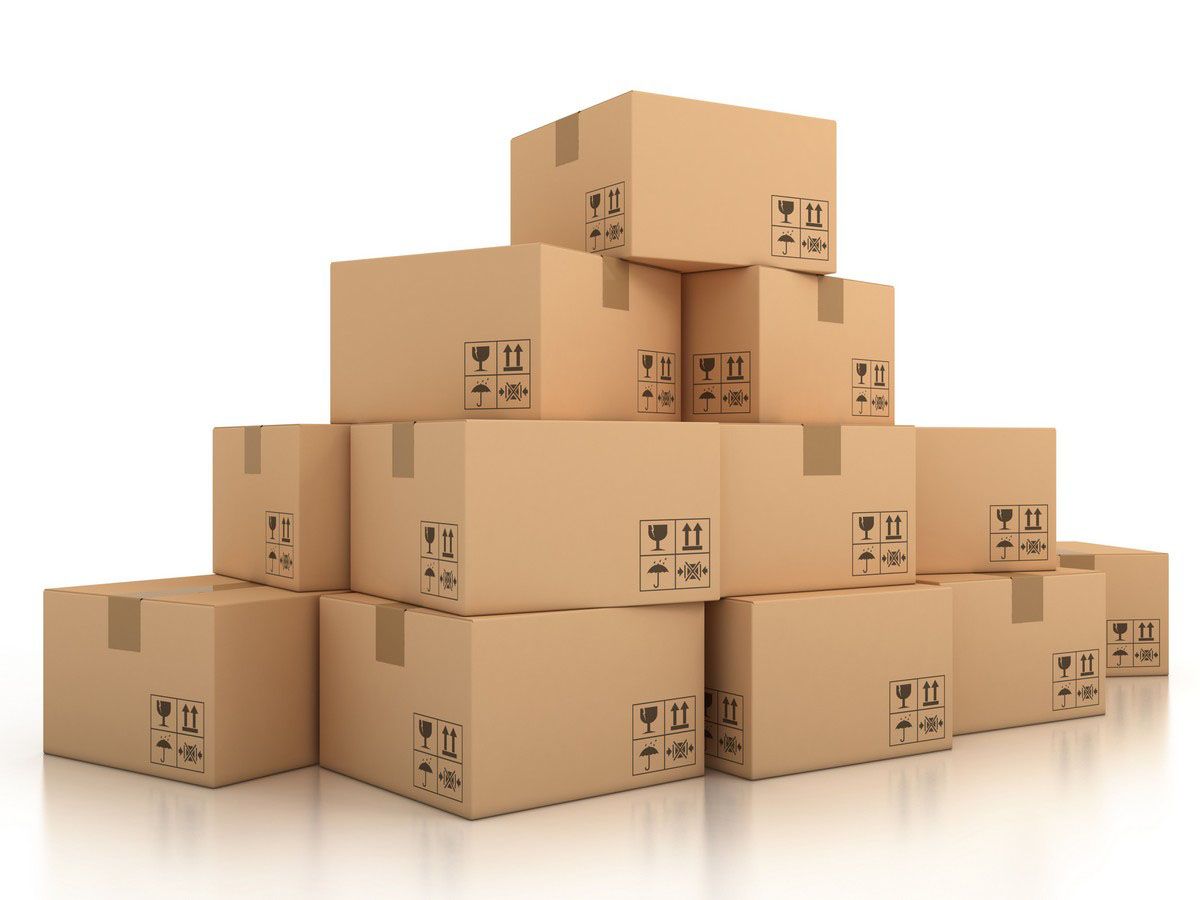
Selecting the proper packing materials plays a major role in protecting your stored belongings. Different types of boxes offer different levels of durability and support depending on the items inside them. Heavy-duty boxes work well for dense items like books, while wardrobe boxes are ideal for clothing that needs to remain wrinkle-free. People preparing for moves with local movers often find that using the right packing materials speeds up both the moving and storage process. Well-chosen materials reduce the risk of damage and make stacking items easier.
Bubble wrap and padding are indispensable for protecting delicate and fragile items. Utilizing these materials effectively can minimize the risk of breakage during transport and storage. When wrapping items, ensure that all sides are adequately cushioned and that they fit snugly in their respective boxes to limit movement. This added layer of protection is especially important for glassware, electronics, and other similar items. Investing in quality padding materials can save you significant stress and potential loss from broken or damaged items.
Properly Packing Your Items
Using proper packing techniques helps keep belongings secure throughout their time in storage. Start by dismantling large furniture whenever possible so that individual components take up less space. Place heavier items at the bottom of boxes to create a stable base, then add lighter objects on top. Avoid overpacking boxes, as excessive weight can cause damage or make lifting difficult for you or local movers assisting with transportation. Careful packing keeps everything stable and easier to manage.
Finding the best ways to protect fragile items further safeguards your belongings in storage. Use specialized boxes that offer additional reinforcement for fragile items, such as glassware and porcelain. Wrap each item individually, ensuring that gaps are filled with paper or cushions to prevent them from moving during transport. Clearly label these boxes as "fragile" to ensure they are handled with care, whether by movers or yourself. These precautions are essential steps in maintaining the quality and condition of your precious items.
Labeling and Inventory Management
Clear labeling plays an essential role in managing stored belongings. As each box is packed, label it with both its contents and the room it came from. Maintaining a detailed inventory list can also help you track everything in storage. This becomes especially useful when working with local movers, as labeled boxes allow them to place items in the correct order or section of the storage unit. A consistent labeling system saves time and prevents confusion later.
For those with specific storage needs, like seasonal items, tailored labeling can ensure their efficient retrieval. A color-coded labeling system can greatly improve the organization of seasonal belongings. Assigning a particular color to a season or event allows for immediate recognition, making periodic item rotation seamless. This approach not only assists in quick and easy access but also ensures items are stored in relevant locations concerning their use. Such organized methods reduce clutter and streamline your storage efforts significantly.
Organizing the Storage Unit
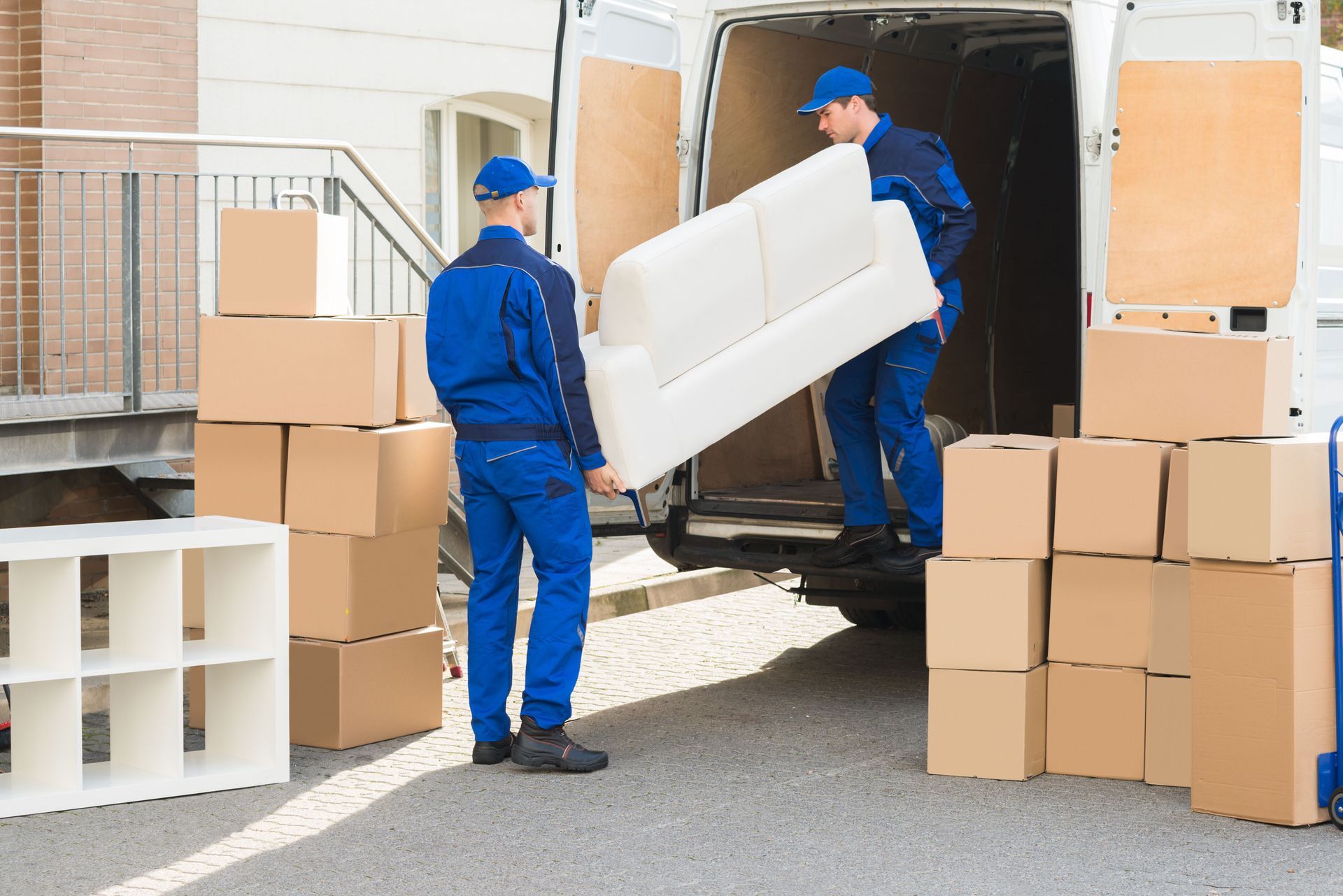
Strategic placement of items inside your storage unit greatly improves accessibility and organization. Start by placing large furniture and bulky items along the back and sides of the unit. Stack boxes in clearly defined sections so that similar items remain together. People who move items into storage with local movers often find this layout makes unloading faster and more efficient. A thoughtful arrangement maximizes space while still keeping items accessible.
Creating accessible pathways within your storage unit is essential for easy navigation and retrieval of items. Maintain clear walkways by avoiding over-stacking and ensuring a direct path to critical items that may need frequent access. This not only simplifies the process of locating items but also enhances safety when moving through the unit. Instituting pathways between stacks or groups of items further contributes to efficient interaction with your stored possessions. An arranged storage space significantly reduces the time and effort involved in retrieving necessary items.
Maintaining Stored Items
Ensuring the ongoing maintenance of stored items involves a series of proactive steps. Regular checks for damage allow you to address potential problems before they become significant issues. Examine stored items periodically to identify signs of wear, water damage, or pest infestation. Addressing these issues promptly prevents further degradation and maintains the quality of your possessions. Regular maintenance ensures that items are in optimal condition when retrieved.
Temperature and humidity control are critical factors in the preservation of stored belongings. Many items, such as electronics and delicate fabrics, are especially susceptible to damage from extreme temperatures or moisture buildup. Considering climate-controlled storage options can help protect these sensitive items. Additionally, using silica gel packs or moisture absorbers in storage spaces can further prevent damage. A stable environment reduces the risk of mold and mildew, ensuring your belongings remain in pristine condition.
Protecting stored items against pests and mold is another layer of safeguarding for your belongings. Begin by implementing pest deterrents and regularly inspecting for signs of infestation. Consider using naturally repelling substances such as cedar or peppermint oils, which deter common storage pests without chemical side effects. According to the U.S. Census Bureau, 11.8% of the population moved to a different residence in 2024; so, it's evident that efficient storage solutions are as critical as vigilant maintenance practices. Effective pest control measures ensure long-term preservation of stored items.
Properly preparing and organizing your belongings for storage can make a significant difference in preserving the condition of your items and making the process more efficient. By following the outlined steps, you ensure that your possessions are well-protected and easy to access whenever needed. Whether you're storing items for the short term or the long haul, these practices will prove invaluable in keeping your storage space functional and organized. If you're planning a move or need help transporting items into storage, the local movers at Moves For Less of Indianapolis are ready to make the process easier and more efficient.