May 18, 2026
Moving to a new place does not always mean crossing cities or states. According to RubyHome, the majority of relocations are very short distances, with 53.5% of all moves happening without individuals ever leaving their current county. This highlights how common nearby moves are in everyday life. It also shows why organized support for these types of moves is often needed. Even short-distance moves can feel busy and time-consuming without the right support. This is where local moving services play a helpful role by keeping the process more organized and less overwhelming. These moves often involve more coordination than expected, even when the distance is short.
Most short moves still involve packing, lifting, loading, and careful timing. Small details can quickly add up when handled alone or without a clear plan. With local moving services, these steps are managed in a structured way that helps keep the move on track. The goal is to make the transition from one home to another feel smoother from start to finish. Having a consistent process also helps reduce confusion during busy moving days.
Planning Local Moves
Planning is one of the first steps in any move. Even when the new place is close, timing and organization still matter. Local moving services often begin by helping set a clear moving day structure so everything follows a simple flow. This structure helps reduce uncertainty before the move begins.
This includes deciding when packing should start, what items need priority, and how the moving day will progress. A planned approach reduces confusion and helps avoid last-minute rushing. Short-distance moves may seem simple, but without planning, they can become scattered and tiring. A clear outline also helps keep tasks manageable from start to finish.
Organizing Moving Schedules
Keeping a moving schedule organized helps the entire process run more smoothly. Many people underestimate how much coordination is needed for a nearby move. Local moving services help align timing for packing, loading, and arrival at the new place. This coordination helps each step flow into the next without disruption.
A well-organized schedule also helps avoid overlap between tasks. For example, one stage of packing can be completed before larger items are prepared for transport. This structure allows everything to move at a steady pace without unnecessary pauses or delays. It also helps create a clearer sense of progress throughout the day.
Packing Household Items
Packing is one of the most time-consuming parts of any move. Even short-distance relocations require careful handling of household items. Local moving services often support this step by bringing order to the packing process. This helps keep belongings organized from the beginning.
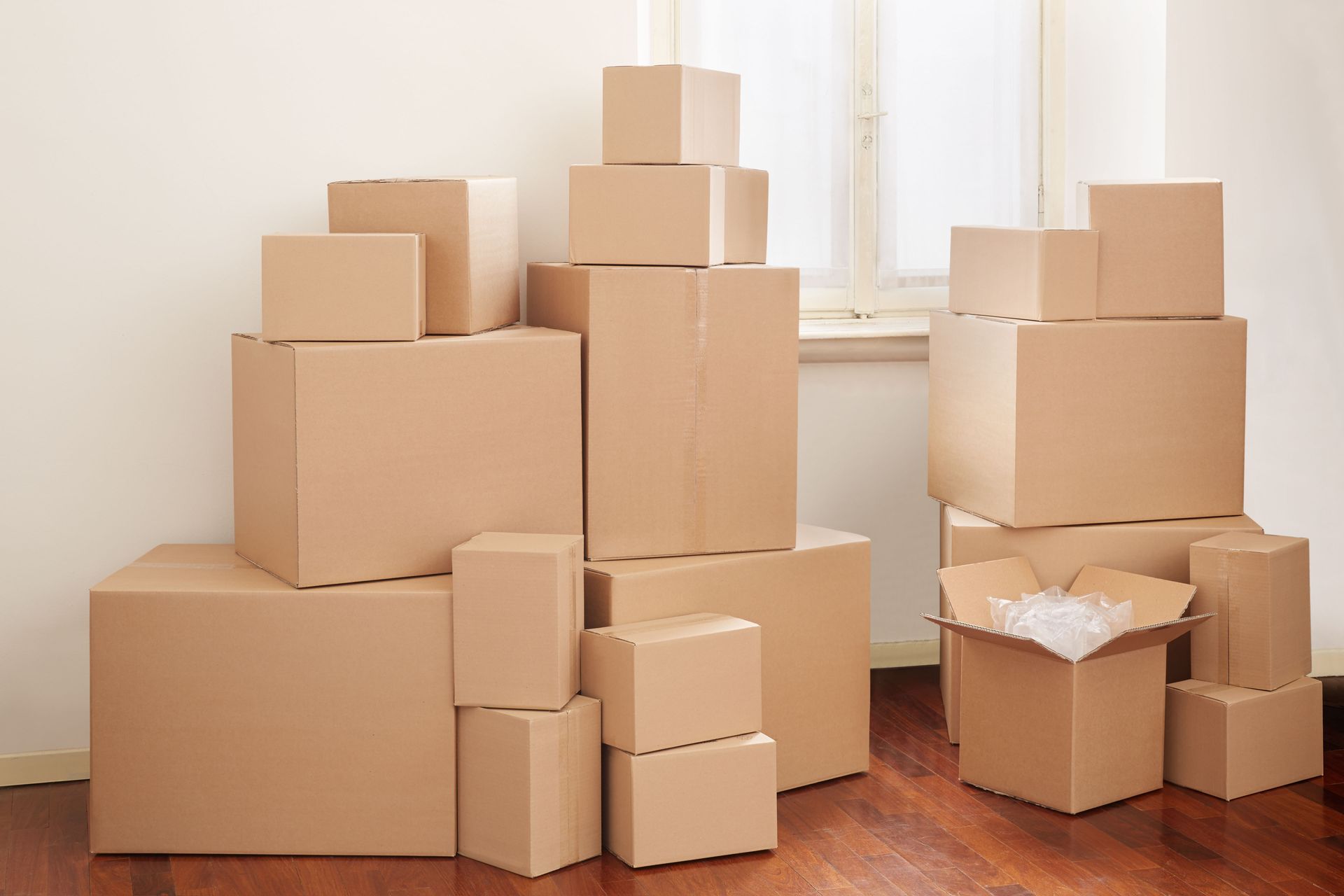
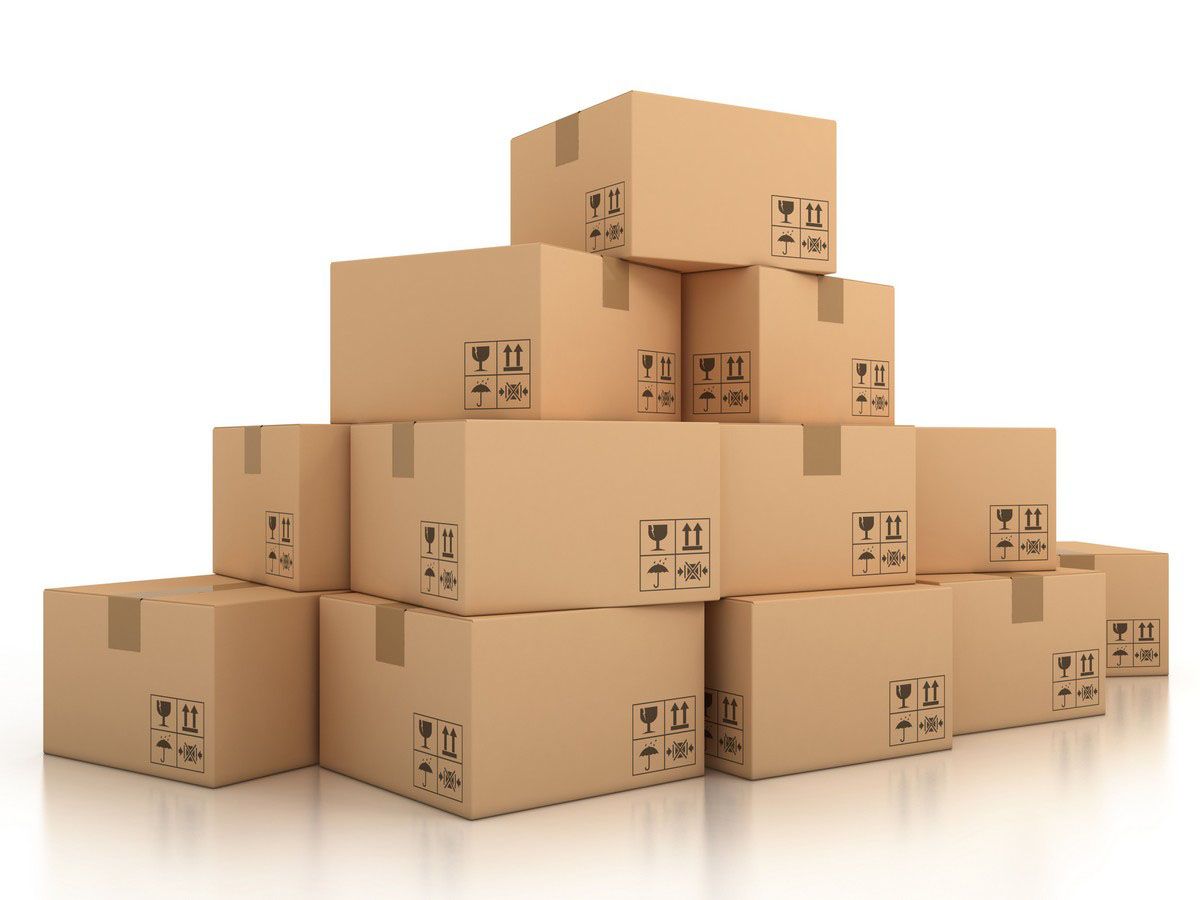
Items are grouped based on type and use. Fragile items receive added care, while everyday items are packed in a way that makes unpacking easier later. Boxes are labeled in a simple and clear way so items can be identified quickly once they reach the new home. This labeling also helps reduce time spent searching for essentials after arrival. Good packing also reduces the chance of damage during transport. Even when the destination is close, items still need to be secured properly for the journey. Proper preparation also helps keep loading more efficient and controlled.
Loading and Transporting Items
Loading furniture and boxes requires attention and coordination. Heavy items need to be lifted safely and placed in a way that keeps everything stable during transport. Local moving services help manage this part of the process so items are loaded in an organized order. This helps make better use of available space.
Once everything is loaded, transport is arranged based on the best route available. Since local moves usually cover shorter distances, timing is often more flexible. Even so, careful handling is still important to keep items protected. Each step of loading contributes to how safely items travel. Transporting items is not only about moving things from one place to another. It also involves making sure everything arrives in the same condition it left in. Attention during transport helps reduce unnecessary handling after arrival.
Navigating Short Distance Routes
Short-distance moves often seem simple because the new location is nearby. Even so, local routes can include traffic changes, narrow streets, or building access points that need attention. Local moving services are familiar with these conditions and adjust the route planning accordingly. This helps keep travel time more predictable.
Knowing the local area helps reduce delays and makes travel more efficient. It also helps with selecting the right entry points for homes or buildings, which can make unloading faster and more organized. Route familiarity can also help avoid common congestion areas. This kind of route awareness is especially useful in residential areas where access can vary from one street to another. It also helps improve timing when multiple stops are involved.
Supporting Apartment and Home Moves
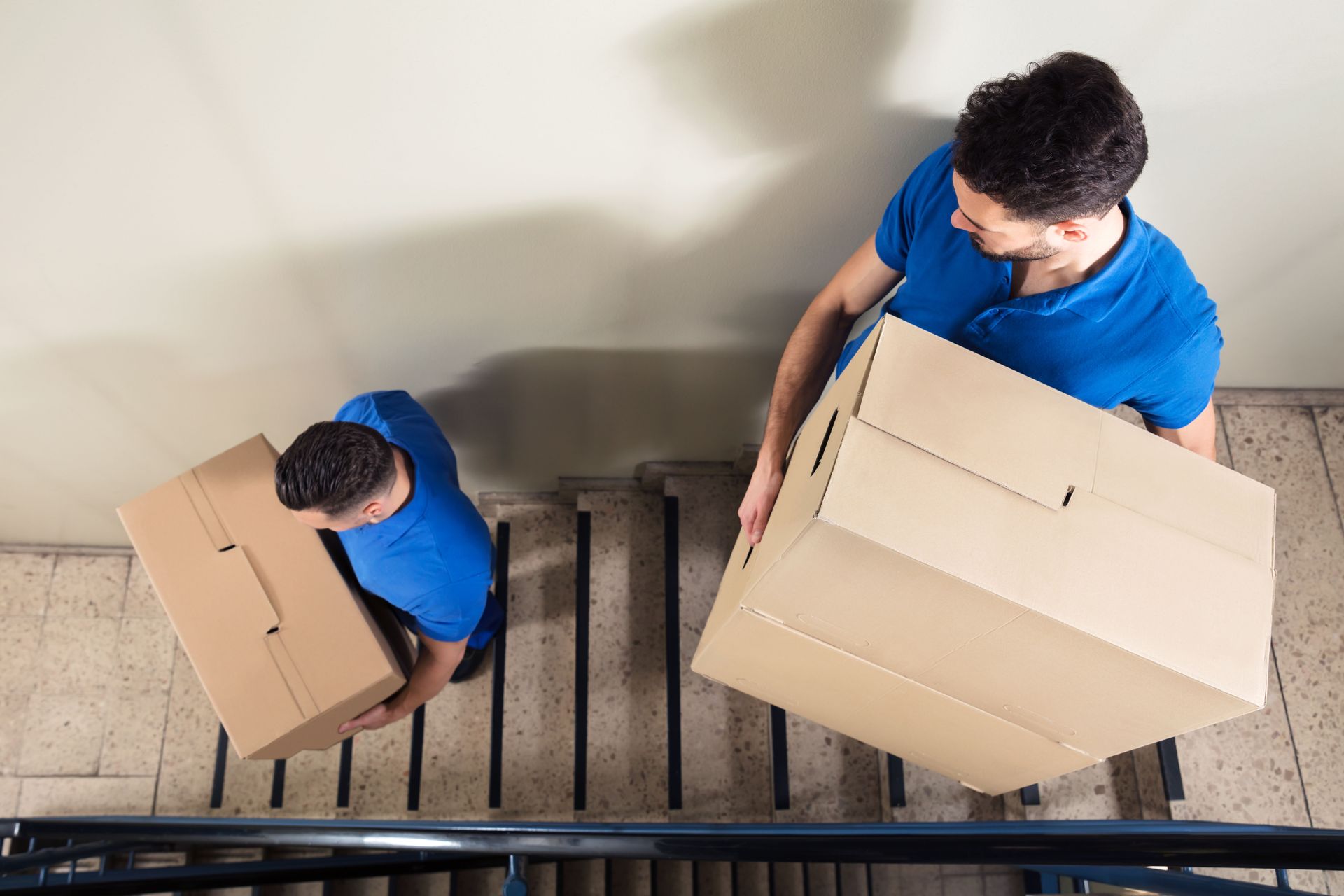
Different types of homes bring different moving needs. Apartments may involve stairs, elevators, or limited parking. Houses may involve longer walking paths from the truck to the entrance. Local moving services adapt to these differences based on the location. This flexibility helps maintain steady progress during the move.
Each space is approached with attention to layout and access. This helps reduce unnecessary back-and-forth movement during unloading. It also keeps items moving in a steady flow from transport to placement inside the new home. Efficient movement between spaces helps save time during unloading. Support during these transitions helps make the move feel more manageable, even when the environment presents challenges. It also helps reduce delays caused by building restrictions or access limitations.
Reducing Stress During Moves
Moving often brings a mix of tasks that need to be completed in a short time. Without structure, this can feel overwhelming. Local moving services help reduce that pressure by handling the physical and logistical parts of the move. This allows attention to stay on settling into the new space.
When heavy lifting and transportation are managed, more attention can be given to settling into the new space. This shift allows the process to feel less rushed and more controlled. It also helps create a calmer pace during moving day. Clear coordination also helps avoid confusion on moving day. Each step follows a planned order, which reduces the chance of missing important details. This makes the overall experience easier to follow.
Choosing Local Moving Services
Selecting local moving services is often based on convenience and familiarity with nearby routes. These services are designed for moves that do not require long travel distances but still need careful handling and coordination. They help simplify what would otherwise feel like a complex process.
They also help create a more structured experience for people moving within the same area. From packing to unloading, each stage is handled in a way that keeps things moving forward without unnecessary delays. This structure helps maintain consistency throughout the move. For many short-distance relocations, this kind of support helps make the entire process more manageable and organized. It also helps reduce uncertainty around timing and handling.
Short-distance moves may seem simple at first, but they still involve many steps that need attention. From planning and packing to transport and unloading, each part plays a role in how smooth the move feels. Local moving services help bring structure to these steps so the process stays organized from start to finish. This structure helps keep each stage connected and efficient.
If you are preparing to move within the same area, using local moving services from Moves For Less of Indianapolis can help keep the transition more controlled and easier to manage. Contact our team today to learn more!